Studio workspace

The Datreno Collection: Curated Worlds

Each title represents a distinct narrative universe, built from the ground up. We don’t follow trends—we define visual identities. Explore the spectrum of our work, from the hyper-saturated neon of racing arenas to the soft, painterly worlds of puzzle adventures.

Neon Noir Pastel Pop Retro Pixel Monochrome
Neon Drift - Gameplay
Quick Look
Neon Noir
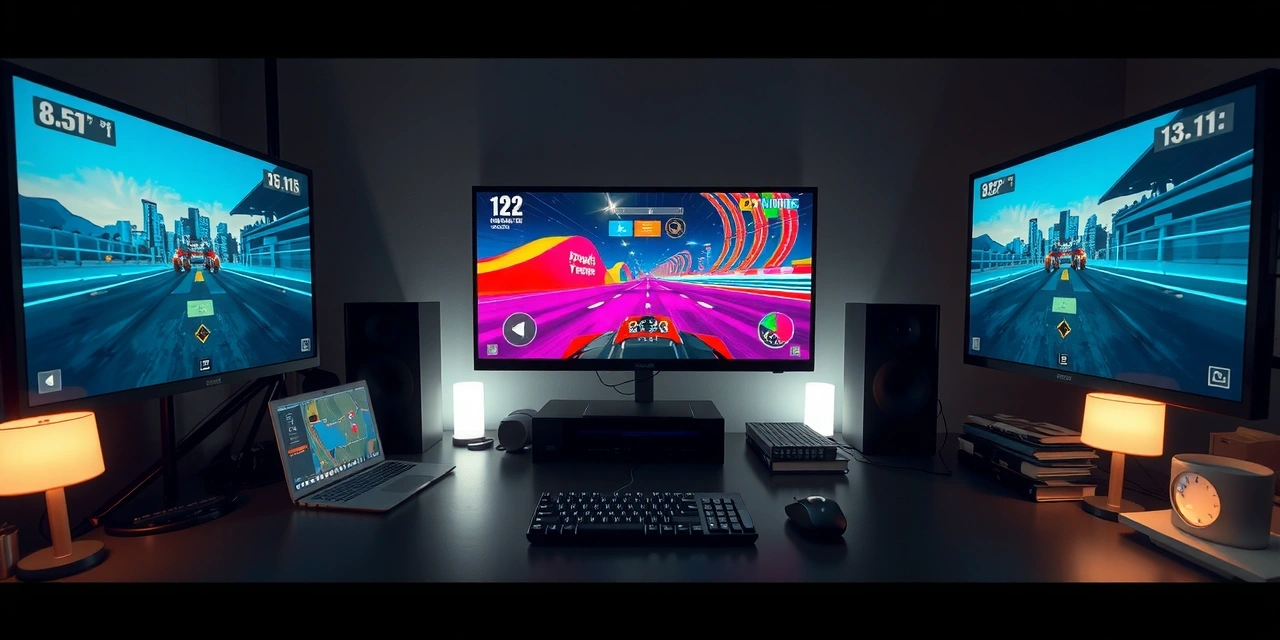
Neon Drift

Arcade racing. Zero microtransactions.

View Project
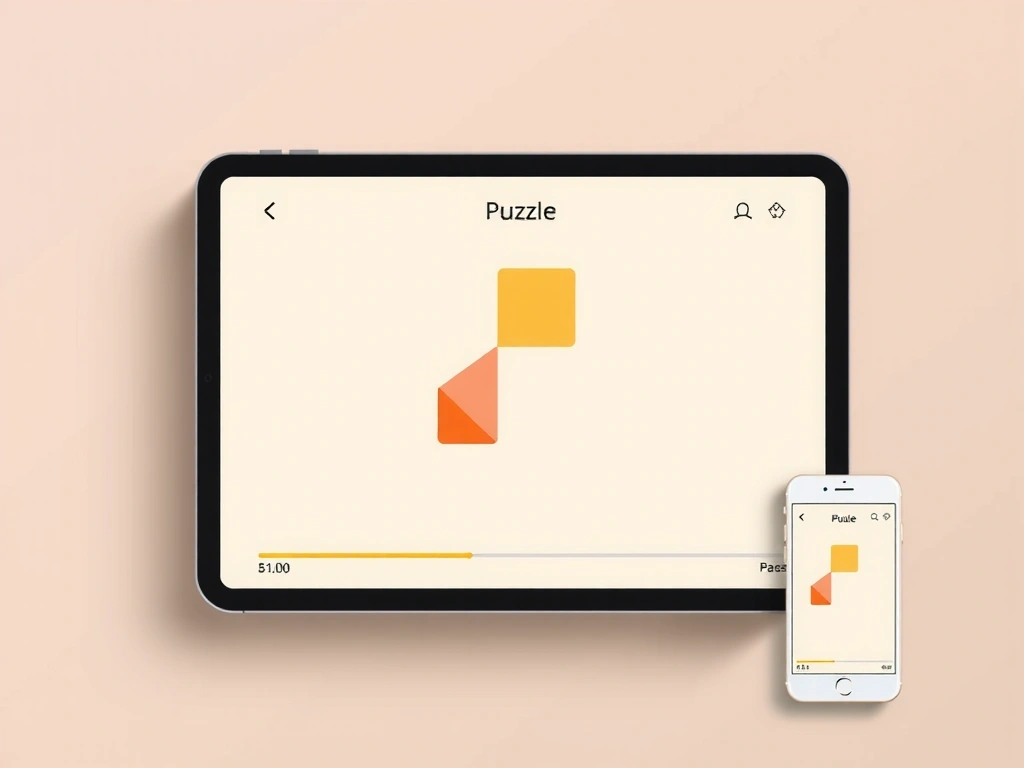
Skyward Kingdoms - Art
Quick Look
Pastel Pop

Skyward Kingdoms

Tactile puzzle game with narrative depth.

View Project
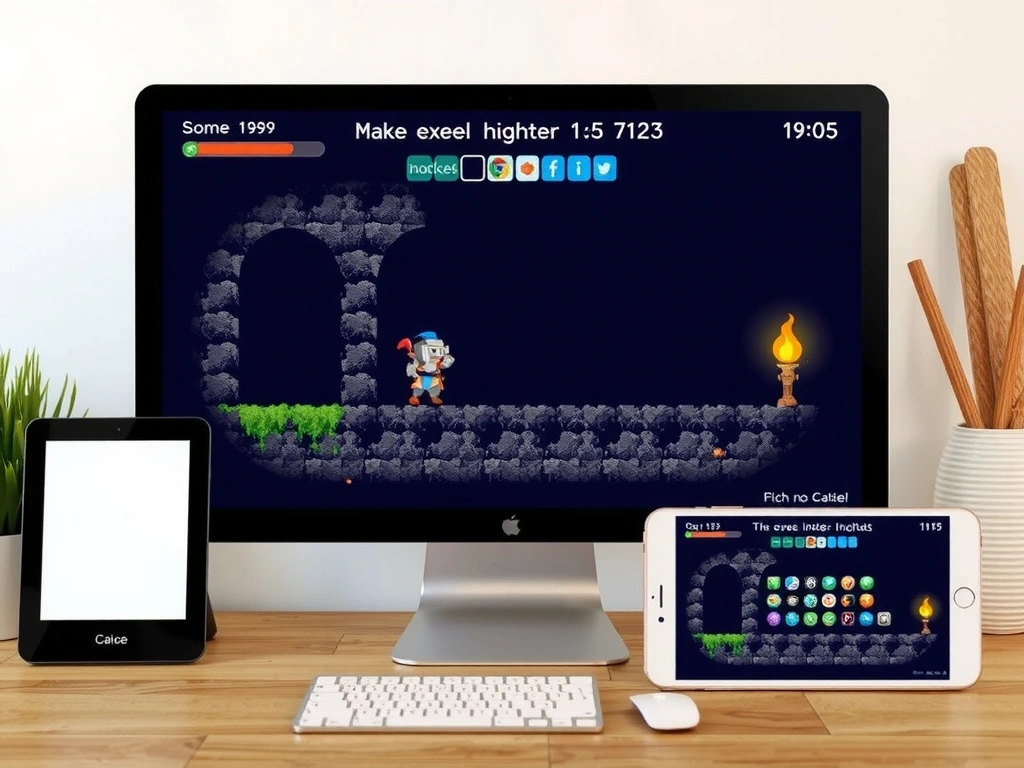
Crypt Keeper - Gameplay
Quick Look
Retro Pixel

Crypt Keeper

Roguelike dungeon crawler. Procedural levels.

View Project
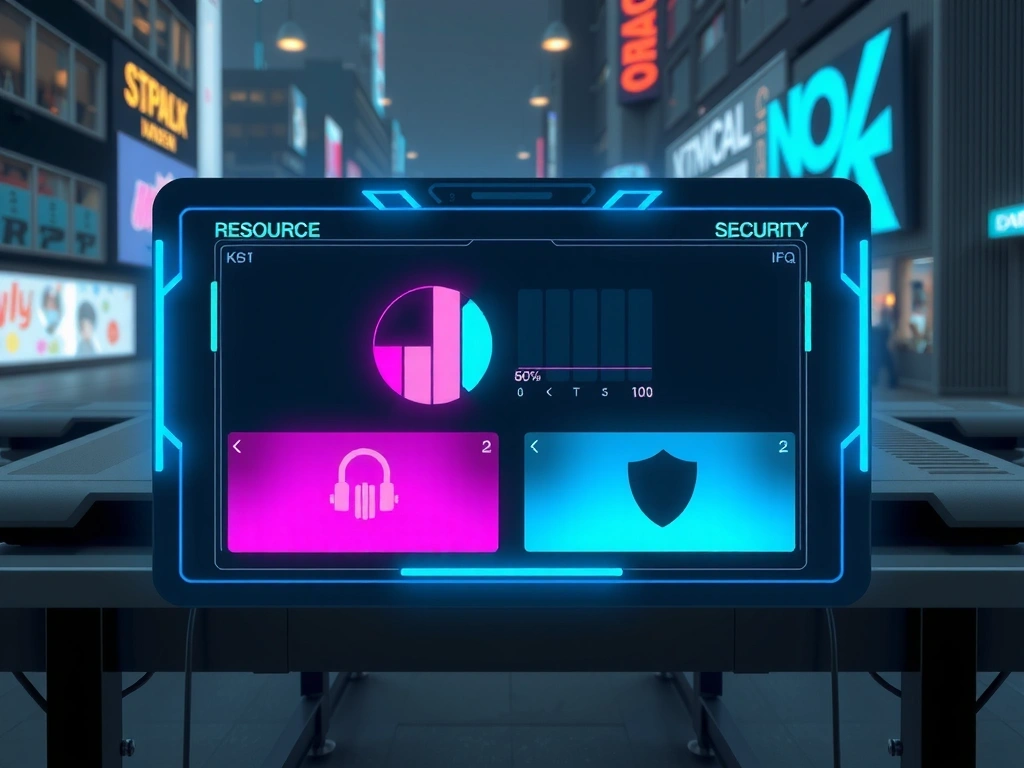
Neon Syndicate - UI
Quick Look
Neon Noir

Neon Syndicate

Management sim with tactical stealth.

View Project
Aether Garden - Scene
Quick Look
Pastel Pop

Aether Garden

Asynchronous social gardening.

View Project
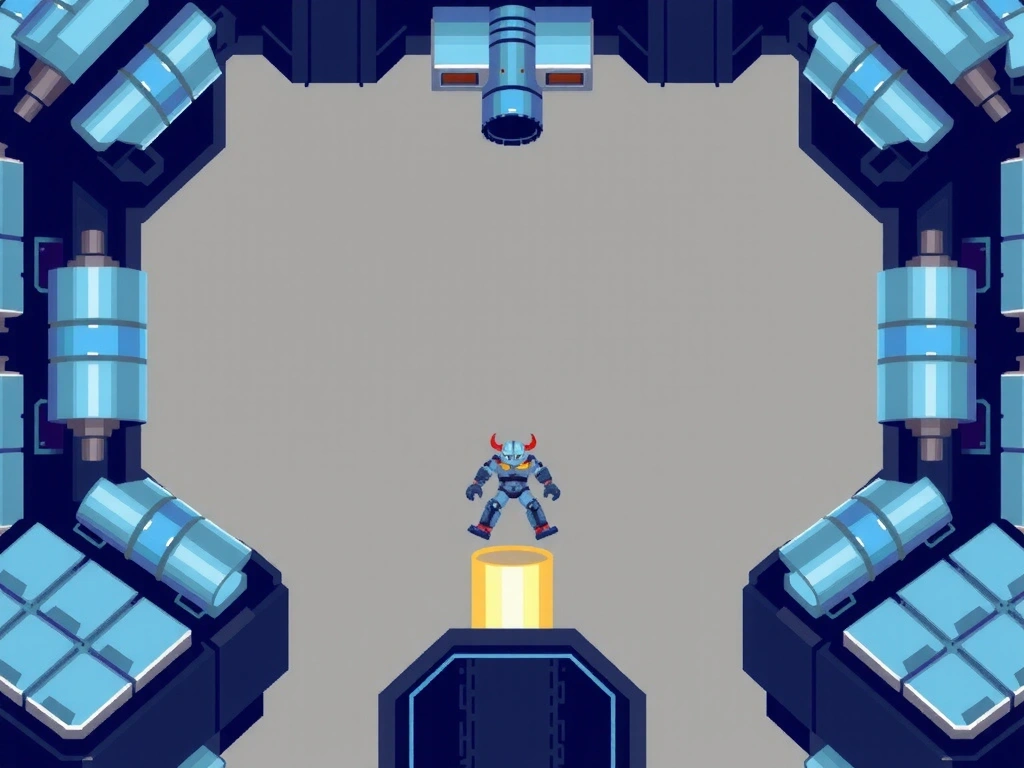
Byte Runner - Action
Quick Look
Retro Pixel

Byte Runner

Speedrun-focused platformer.

View Project

Case Study: Neon Drift

Our flagship racing title isn't just about speed—it's about the sensation of *control*. The core loop is deceptively simple: hold, drift, boost. Yet, we spent 40% of our development cycle perfecting the drift physics to achieve that arcade-y feel while maintaining razor-sharp responsiveness. The result is a game that feels intuitive in the first 60 seconds but reveals technical depth at higher skill tiers.

"2M Downloads. 4.8 Star Rating. Zero Microtransactions."

- Neon Drift Public Metrics
// Tech Stack Annotation
Engine: Unity 2022 LTS
Language: C#
Audio: FMOD
Build Pipeline: Custom CI/CD
Neon Drift - Drift Sequence
FIG. 1: Drift mechanics visualization.

Post-Mortem: Skyward Kingdoms

Transparent lessons from a failed launch and the pivot that saved it.

The Pitfall: The 'Too Complex' Trap

Initial launch metrics were bleak: Day 1 retention at 12%. The core issue wasn't the art or gameplay, but the tutorial. We built a 10-minute interactive manual, assuming players needed to understand every mechanic upfront. This violated a cardinal rule of mobile gaming: respect the player's time. The data was clear—players were quitting before reaching the core loop.

The Pivot

We stripped the tutorial. Replaced it with a 'Learn-as-you-play' mechanic where the first two levels gently introduced each new mechanic. The UI adopted a 'just-in-time' education model, showing tooltips only when a player first encountered an action.

sprint v1.1 → tutorials removed
day 1 retention: 12% → 34%

The Result

Post-pivot, not only did retention climb, but session length increased by 40%. Player feedback shifted from 'too confusing' to 'surprisingly deep'. The lesson was internalized: feature density does not equate to player value.

"We learned that respect for the player's time is more valuable than feature density."

Studio Lexicon: Feature Creep

Feature Creep
The uncontrolled expansion of a project's scope, often leading to missed deadlines and diluted vision. Our take: A silent killer of indie projects. We mitigate it with a 'one-in, one-out' rule for core mechanics during pre-production.
Retention Funnel
The stages players progress through from install to loyal user. Our focus: Optimize the Day 1 experience above all else. Day 7 retention is a lagging indicator of Day 1 success.
Build Pipeline
The automated system that assembles, tests, and packages the game. We maintain a separate pipeline for QA and Live Ops. A broken pipeline is a stop-the-world emergency.
Soft Launch
A limited geographic release to test metrics. We recommend Poland or Canada for initial soft launches. App store algorithms are predictable, and data is representative of Western markets.

How We Think: Constraints & Method

Decision Boundaries

  • Budget Our next quarter's budget is fixed. This forces us to prioritize high-impact features and cut nice-to-haves early.
  • Team Size Typical project core: 3-5 people. Large feature sets require careful scoping to avoid burnout and scope creep.
  • Hardware Baseline We target 5-year-old Android hardware as our lowest common denominator. This dictates asset budgets and shader complexity.
  • Platform Policy We design for the strictest app store guidelines first. A feature rejected on iOS is a feature we reconsider entirely.

What Changes Our Mind

Our evaluation method is empirical. We commit to tools and features only when they demonstrate robustness. Here’s what triggers a review:

  • A documented performance regression in a new SDK version.
  • A platform policy change that breaks third-party integrations.
  • A critical bug with a patch ETA > 48 hours.
  • A competitor releasing a core feature for free.

In Practice: A Developer's Week

Scenario: A technical artist finds a memory leak on a specific Samsung device. Budget is fixed, team is small (3 people).
Decision: Do we spend 3 days fixing a device-specific issue affecting 5% of our user base?
Our Method: We check our constraint: "5-year-old hardware baseline." If the leak also occurs on that baseline, we fix it. If it's isolated to a newer model, we document and prioritize for the next sprint. This trade-off balances performance with development speed, and long-term maintainability over short-term perfection.

Ready to Build Your Next Hit?

We take on a limited number of projects per year to ensure quality and focus. Reach out if your vision aligns with our method.

Start a Conversation

Typical response time: 24-48 hours (Mon-Fri)